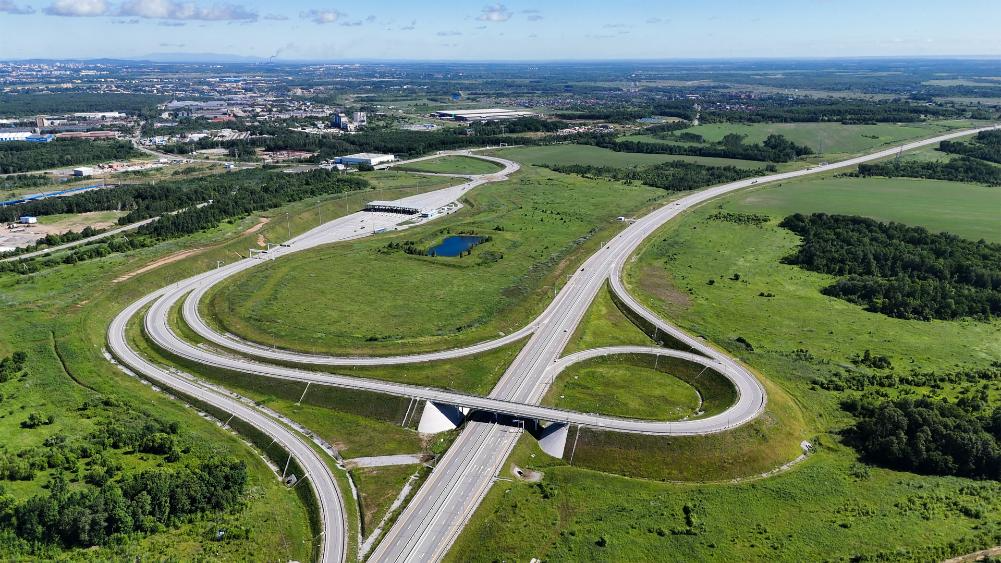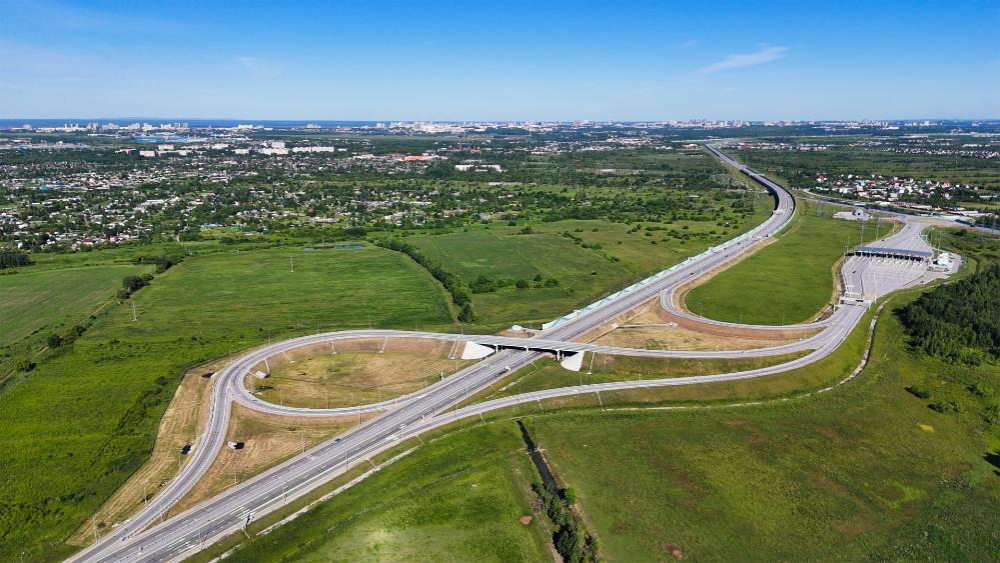
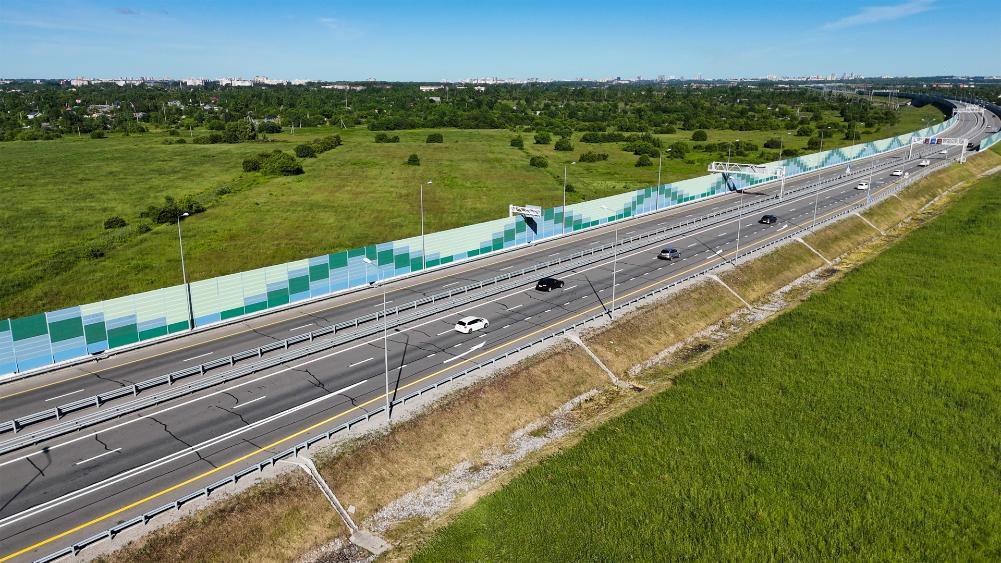
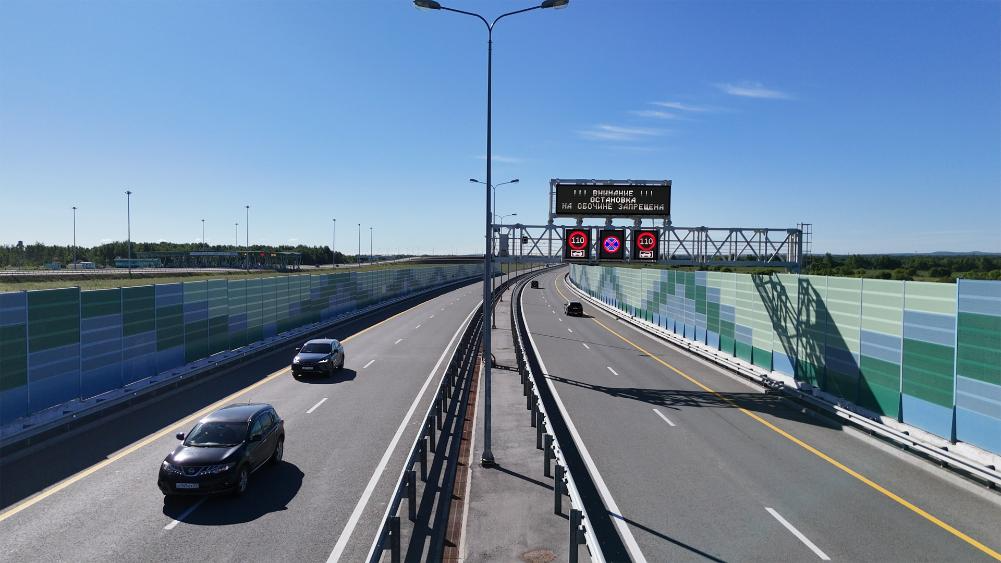
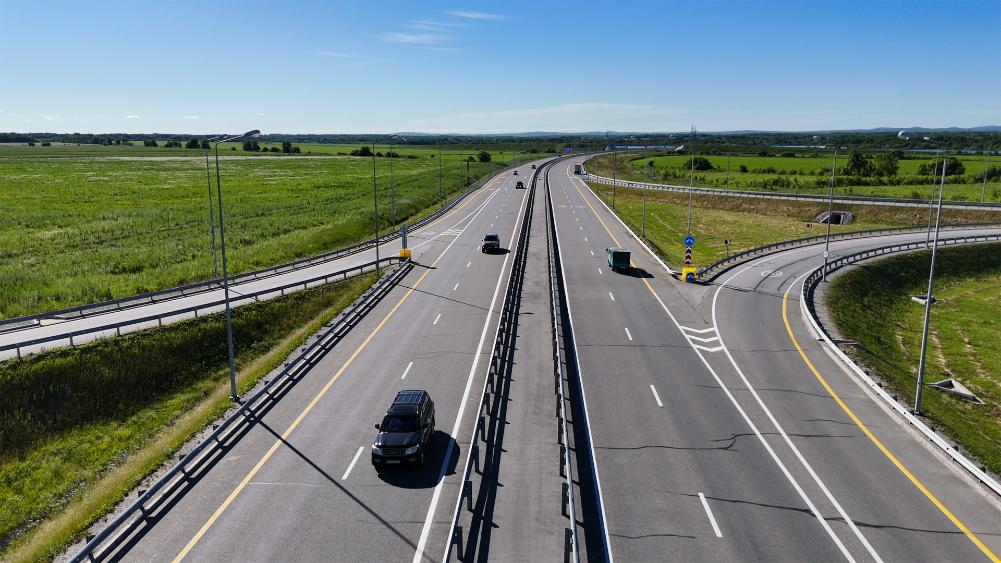
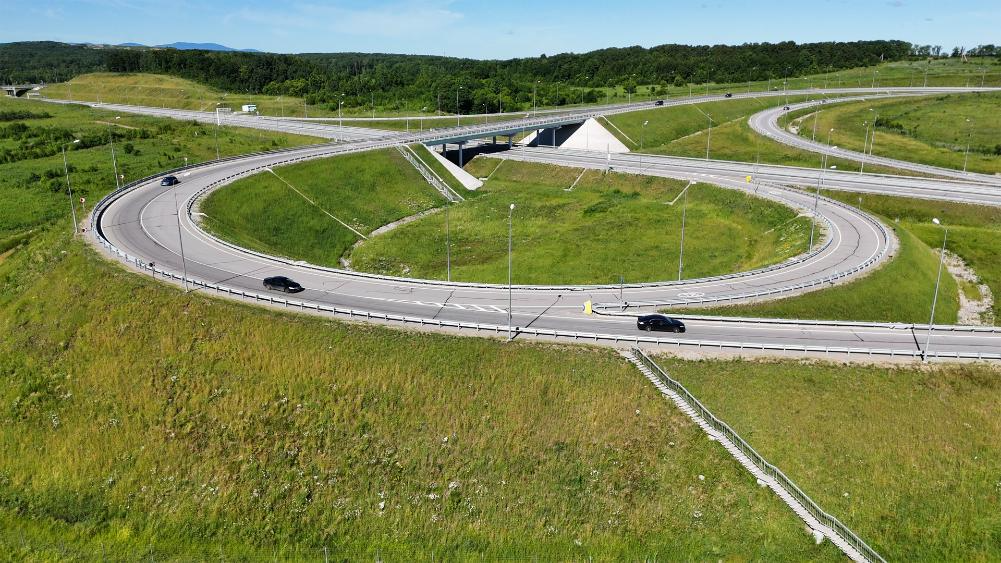
On July 15, 2022, the Khabarovsk Bypass, a 27-kilometer highway built by VIS Group under a concession agreement with the Government of Khabarovsk Territory, has opened for traffic. About 8 million cars have traveled along it in three years.
The highway became the first high-speed highway in the Russian Far East with a permitted speed of 110 km/h. A total of 24 bridges and overpasses, as well as 5 interchanges were built, with the total length of the new infrastructure exceeding 52 km.
“The highway is increasingly in demand. Traffic grew by 35% in the first 6 months of this year compared to the same period last year. The Khabarovsk Bypass has become the backbone transport infrastructure for the creation of a cross-border transport corridor with a checkpoint on the border with China, which is being created on Bolshoy Ussuriysky Island,” said Sergey Yudin, CEO of VIS Group.
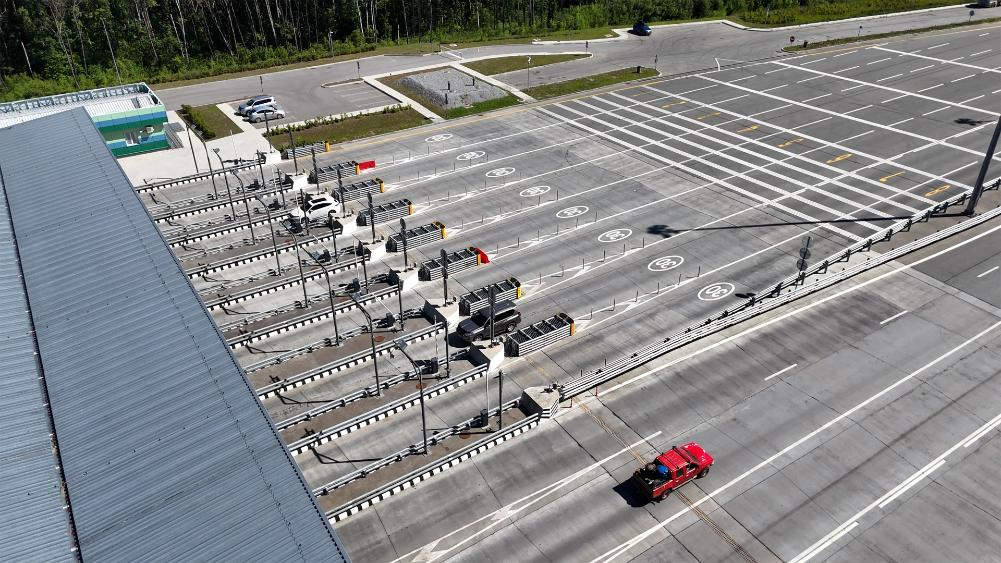
Under the terms of the concession, the commercial and technical operation of the Khabarovsk Bypass is carried out by the holding's own operator company Transtoll until 2031. It is responsible for maintaining the road surface in a normal condition and operating all automated traffic control systems. The introduction of digital services has become an additional incentive to increase traffic. An emergency commissioner service has also been set up for motorists.
“Since May 15, 2024, a contactless payment system using transponders has been launched on the road for the first time in the Russian Far East. According to the results of the first year of operation, the service was used more than 185,000 times, and the number of transponder users increased by 2.5 times. The largest share is made up of truck drivers, which emphasizes the importance of the route for logistics and transit,” said Dmitry Simakov, First Deputy CEO of OOO Transtoll.
The main purpose of the Khabarovsk Bypass is to create an alternative route for transit transport, which now bypasses the central streets, reducing the load on the city road network. The Khabarovsk Region government is taking active measures to develop the territories adjacent to the highway; they are functioning as an advanced socio-economic development area regime, which allows attracting investors to the region.
Follow VIS Group: