
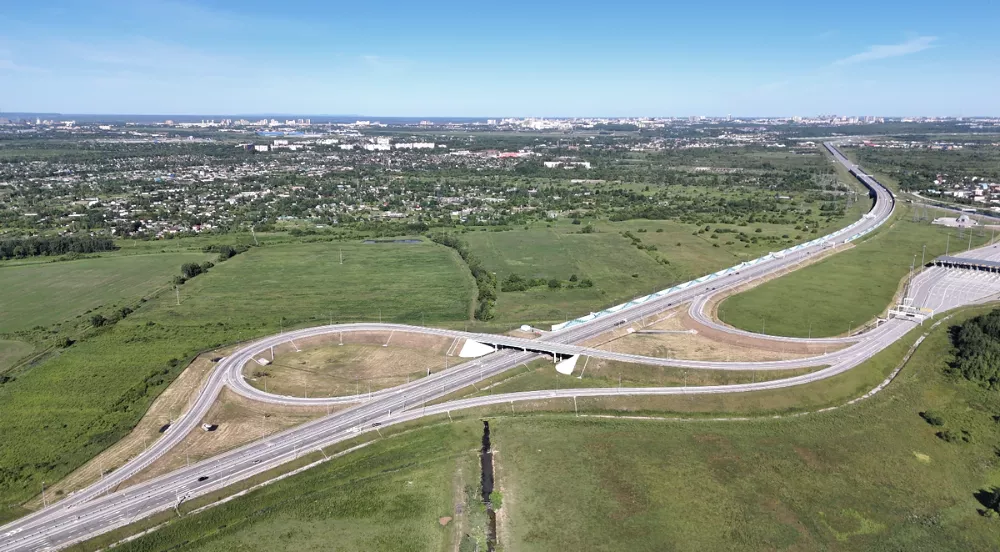
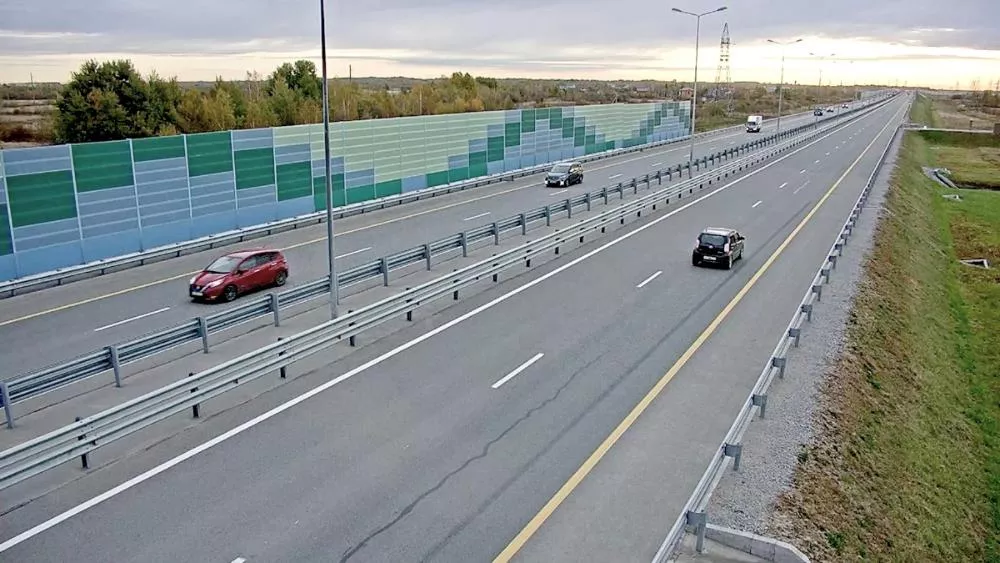
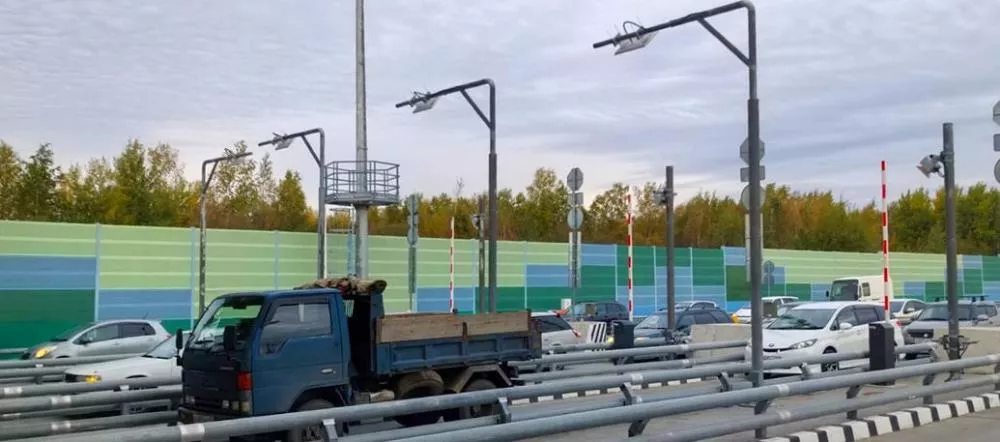
At this time, almost 12,000 vehicles use the highway on an average day. This means that the number of monthly users constitutes more than half of Khabarovsk's population. Between May and September, traffic increased by 53%. The largest increase was recorded in April and May. Since the start of operation, over 9 million vehicles have used the Khabarovsk Bypass.
“We attribute the increase in traffic not only to drivers growing accustomed to the more convenient route, but also to the additional services we created.” Today, driving along Khabarovsk Bypass is no different than using similar roads in central Russia – it offers contactless transponder-based payment, an accident inspector service, and a speed limit of 110 km/h. The planned extension of the concession road towards Bolshoy Ussuriysky Island will undoubtedly make the highway even more popular,” noted Sergey Yudin, CEO of VIS Group.
The first high-speed highway in the Russian Far East was built under a concession agreement, with VIS Group acting as the investor and concessionaire. The Khabarovsk Bypass opened to traffic in July 2022. Under the terms of the concession agreement with Khabarovsk Region, VIS Group will carry out commercial and technical operation of the highway until 2031. A specialized operator company was created within the holding company for this purpose.
“Transponders first appeared in the Russian Far East thanks to the Khabarovsk Bypass and its inclusion in the nationwide interoperability system. The number of drivers using transponders to pay tolls has increased by 40% since the beginning of the year. On average, about 1,000 drivers, mostly those operating heavy trucks, take advantage of this option daily. Redirecting heavy transit vehicles out of the city was one of the goals of constructing the bypass,” said Dmitry Simakov, First Deputy CEO of the Transtoll operator company.
The 27.1-kilometer Khabarovsk Bypass includes five interchanges, 24 bridges and overpasses, and five toll booths. The concession was conceived as one of the stages in the creation of a new cross-border road route that will connect the transport systems of Khabarovsk Region with China’s border regions. The next stage of the Khabarovsk Bypass, which is slated to connect the road to the A-370 Ussuri federal highway, is currently being explored. This approximately 5-km section will resolve the bottleneck at the exit from the highway and provide additional traffic flow.
Due to its geographical location, Khabarovsk Region is a transit region of federal significance. Its proximity to China, Russia's key foreign trade partner, creates unique logistical advantages that are important for the entire country. The planned opening of a border crossing point on Bolshoy Ussuriysky Island makes the Khabarovsk Bypass extension project particularly relevant for the development of the border area.
Follow VIS Group:


